
Nepal month-by-month guide
Best time to visit Nepal
October and November are the best months for most first-time travellers, particularly when clear mountain views, trekking and comfortable sightseeing weather are priorities.
March and April are the strongest spring alternatives. Winter suits culture, lower-altitude walks and wildlife, while monsoon travel works best with carefully chosen cultural or rain-shadow routes.
Your best month depends on where you are going, the altitude, your activities and how you feel about rain, cold and crowds.
October for all-round travel
March to April for spring
Altitude changes everything
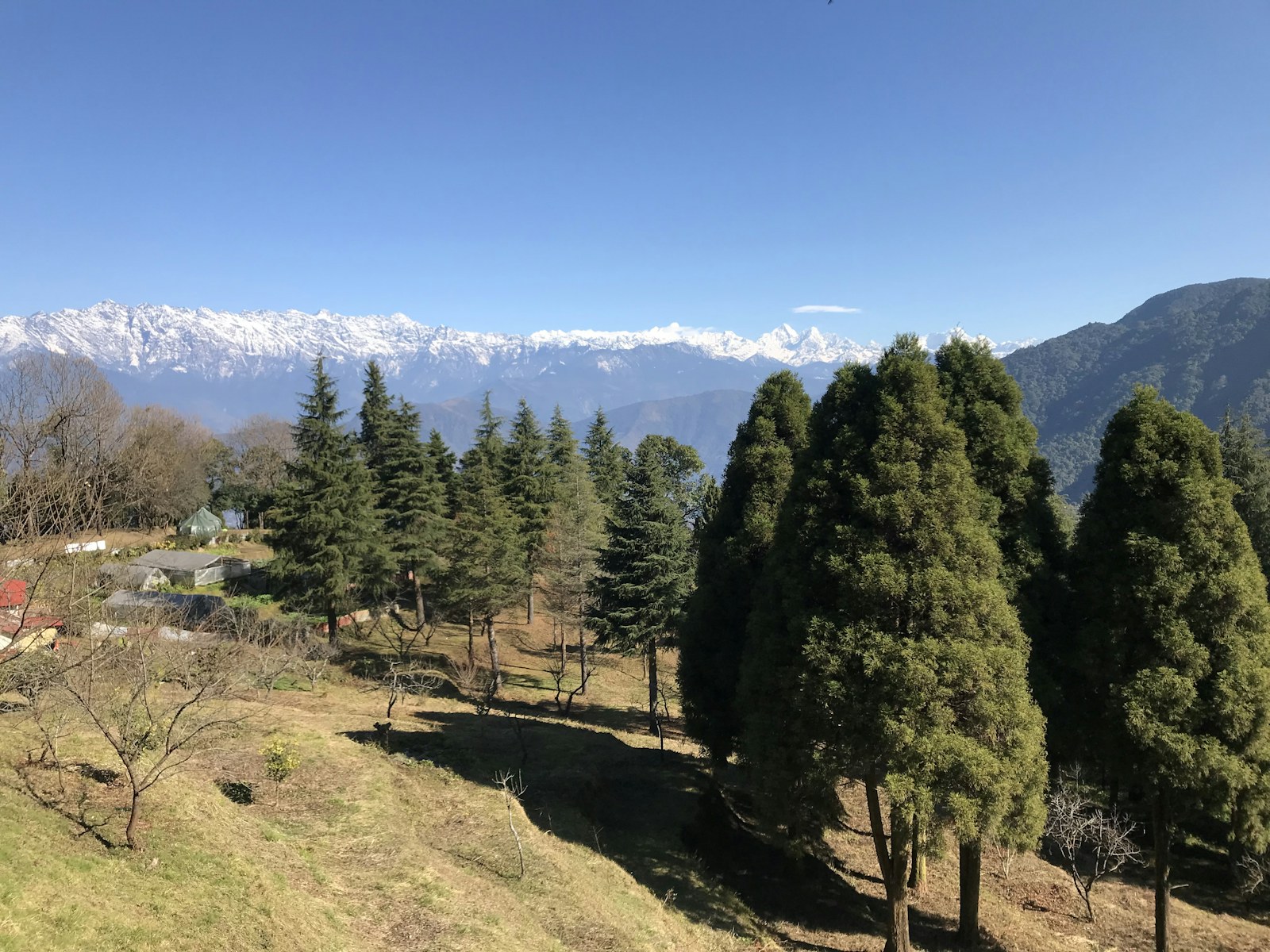
Season and altitude should be matched to the places you actually plan to visit.
Quick answer
Match the month to the trip
There is no single perfect month for every Nepal itinerary. Start with the experience you value most, then check the route, elevation and trade-offs.
| If you want | Consider |
|---|---|
| Best all-round first trip | October to November |
| Spring trekking | March to April |
| Rhododendron season | March to April, varying by altitude |
| Everest or Annapurna trekking | Mainly spring or autumn |
| Kathmandu heritage and culture | Most of the year |
| Chitwan wildlife | October to March |
| Fewer visitors | Winter or monsoon, depending on destination |
| Mustang during the monsoon | June to August can be worth considering |
| Rafting | October to mid-December and March to early May |
| Festivals | Check the annual calendar because major dates change each year |
If you want one answer
Choose October
October sits after the main summer monsoon and is usually one of the strongest months for general travel, trekking and Himalayan views. Nepal Tourism Board identifies October and November as the period with the clearest post-monsoon skies.
October is not automatically right for everyone
October is part of Nepal’s popular season, so famous trekking routes, heritage areas and accommodation in high-demand destinations can be busier.
Travellers who prefer spring landscapes may favour March or April. Visitors focused on Chitwan, Kathmandu and lower-altitude travel may also enjoy the cooler winter months.
The better question is: what is the best time for the trip you want to take?
Nepal weather and seasons
Altitude matters as much as the calendar
Nepal’s climate changes dramatically over short distances, from the low-lying Terai to the world’s highest mountains. A Kathmandu forecast cannot describe conditions at Everest Base Camp, Chitwan or Upper Mustang.
March to May
Spring, increasingly warm
Good for
Trekking, flowers and outdoor travel
Main trade-off
Heat and pre-monsoon storms increase later
June to September
Main monsoon period
Good for
Culture, rain-shadow regions and quieter travel
Main trade-off
Rain, cloud and transport disruption
October to November
Dry post-monsoon autumn
Good for
Trekking, views and general touring
Main trade-off
Higher visitor demand
December to February
Winter, generally drier
Good for
Culture, wildlife and lower elevations
Main trade-off
Cold at altitude and snow on high routes
Temperatures generally decrease by around 6 degrees Celsius for every 1,000 metres of elevation gained.
About 80% of Nepal’s rainfall occurs during the June to September monsoon, but Mustang and Manang are much drier than Pokhara.
Weather patterns are averages, not promises. Always check a current forecast before travelling into the mountains.
Nepal month by month
What every month offers
Compare conditions, ideal activities and the reason each month may or may not suit your trip.
01
Nepal in January
Winter
January is one of Nepal’s colder months, but that does not mean the country closes for winter.
Kathmandu, Pokhara, Lumbini and the Terai remain possible to visit, while clear winter days can provide excellent mountain views. Chitwan is also in its generally favourable October to March period.
At higher elevations, temperatures can become severe. Snow may make high passes difficult or unsuitable, and nights on trekking routes can be very cold.
Best for
Cultural travel, wildlife, photography, lower-altitude hiking and travellers comfortable with cool mornings and evenings.
Think twice if your main priority is a high-altitude trek involving exposed passes.
02
Nepal in February
Late winter
February is a transitional month.
Early February still feels distinctly wintry in the mountains, but conditions gradually begin moving towards spring. Lower-altitude touring can be comfortable, and popular cultural destinations remain practical.
For trekkers, late February can work for selected routes, although conditions at altitude still require winter preparation.
Best for
Kathmandu Valley, Pokhara, Chitwan, lower treks and travellers who want to arrive before the main spring season.
Do not assume spring conditions have reached high elevations just because Kathmandu feels warmer.
03
Nepal in March
Spring
March marks the beginning of one of Nepal’s most popular outdoor travel periods.
Days become warmer, trekking activity increases and rhododendrons begin flowering in suitable regions and elevations. Nepal Tourism Board identifies spring as one of the main trekking seasons.
March can offer a good balance between manageable temperatures and active mountain travel. It is also a strong month for combining a trek with Kathmandu, Pokhara or Chitwan.
Best for
Trekking, walking, wildlife, mixed Nepal itineraries and spring landscapes.
04
Nepal in April
Spring
April is one of Nepal’s strongest months for trekking and active holidays.
Spring is well established, temperatures are generally warmer and highland landscapes can be colourful. Conservation areas such as Annapurna and Kanchenjunga list March to May among their recommended seasons.
As the pre-monsoon period progresses, afternoon cloud, haze or thunderstorms can occur, particularly at lower elevations.
Best for
Annapurna trekking, Everest-region travel, hiking, outdoor activity and travellers who prefer warmer conditions than autumn.
Lower-elevation mountain visibility may not always have the sharp post-monsoon clarity associated with October and November.
05
Nepal in May
Late spring
May is warm and increasingly influenced by pre-monsoon conditions.
Trekking remains possible, particularly earlier in the month and on appropriately chosen routes, but heat builds in Kathmandu and the Terai while afternoon storms become more relevant.
At altitude, conditions are very different from those on the plains, which is why destination-specific planning matters.
Best for
Selected trekking, mountain journeys and travellers comfortable with warmer, less predictable spring weather.
Chitwan and other lowland destinations can become very hot.
06
Nepal in June
Monsoon begins
June usually marks the transition into the main monsoon period.
Rain does not necessarily fall continuously all day, but cloud, heavy showers and thunderstorms become more frequent. Roads and trails can be affected, and Himalayan views become less predictable.
Areas north of the main Himalayan barrier receive much less monsoon rainfall. Nepal Tourism Board specifically identifies Mustang, Manang and Dolpo as rain-shadow areas where trekking can be considered during the monsoon.
Best for
Rain-shadow regions, cultural travel and visitors who value fewer crowds more than guaranteed mountain visibility.
07
Nepal in July
Monsoon
July is firmly within the monsoon. Expect humidity and regular rain across much of the country, particularly on the southern side of the Himalaya.
Classic mountain panoramas can be obscured by cloud and overland journeys can require additional flexibility. For the right traveller, however, July can still work.
Best for
Upper Mustang and other suitable rain-shadow travel, cultural experiences, longer stays and travellers who can adapt plans around weather.
Less suitable for a first Nepal trip built entirely around clear Himalayan views.
08
Nepal in August
Monsoon
August remains a monsoon month, with many of the same considerations as July.
The countryside can be intensely green, while Kathmandu and cultural centres remain active despite the rain. Religious and cultural festivals also become an important part of the calendar around the late monsoon period, although dates change annually.
Outdoor itineraries need flexibility.
Best for
Culture, photography of green landscapes, suitable rain-shadow regions and repeat visitors interested in a different side of Nepal.
Build additional time into road-based itineraries.
09
Nepal in September
Transition
September is a transition month rather than a guaranteed dry-season month.
Travellers often associate September with autumn trekking, but monsoon conditions can continue into part of the month. Nepal’s long-term normal monsoon withdrawal is around the beginning of October, although the actual withdrawal date varies from year to year.
Later September can bring improving mountain conditions and growing trekking activity.
Best for
Travellers with flexible dates, early-autumn trekking and visitors interested in combining festivals with sightseeing.
Check the current year’s monsoon status instead of assuming 1 September marks an instant change in weather.
10
Nepal in October
Autumn
For most first-time visitors, October is the strongest all-round month to visit Nepal.
The monsoon has normally retreated, vegetation remains green and clear weather becomes more common. Nepal Tourism Board describes October and November as the period offering the clearest skies after the monsoon.
Conditions are particularly attractive for trekking, mountain views, city sightseeing and multi-destination routes.
October can also coincide with major festivals such as Dashain or Tihar depending on the lunar calendar and the year. Festival travel can be culturally rewarding, but domestic transport and business operating patterns may change around major celebrations. Check the current annual calendar rather than relying on dates from a previous year.
Best for
First-time visits, trekking, mountain scenery, photography and classic Nepal itineraries.
Popular routes can be busy, so plan key accommodation and trekking arrangements early.
11
Nepal in November
Autumn
November is another excellent all-round month and may suit travellers who prefer slightly cooler conditions.
Clear skies remain common, trekking conditions are generally favourable and the main monsoon is well behind you.
As the month progresses, nights become noticeably colder at elevation.
Best for
Trekking, views, Kathmandu, Pokhara, Chitwan and multi-region travel.
October tends to feel greener and slightly warmer, while November moves closer towards winter.
12
Nepal in December
Winter begins
December begins Nepal’s winter travel period.
Lower-elevation destinations remain very viable, and crisp days can produce impressive Himalayan views. Kathmandu, Pokhara and Chitwan can all form part of a winter journey.
The major limitation is altitude. Nepal Tourism Board’s trekking guidance warns that winter becomes very cold above roughly 4,000 metres and that snow can affect high mountain passes.
Best for
Culture, wildlife, photography, lower-altitude walks and visitors who prefer a quieter atmosphere.
Less suitable for high-pass trekking without appropriate winter experience and planning.
Best time for trekking
Spring and autumn are the main seasons
Nepal Tourism Board broadly identifies February to May and September to November as favourable trekking periods. The exact route and elevation still matter more than a nationwide label.
October and November
Autumn trekking
Choose autumn for clear Himalayan views, generally stable post-monsoon conditions, major routes such as Everest, Annapurna and Langtang, and a classic first Nepal trek.
The disadvantage is popularity. Famous routes can feel much busier than they do in winter or the monsoon.
March and April
Spring trekking
Choose spring for warmer conditions, flowering rhododendrons in suitable areas, longer-feeling days and strong conditions across many established trekking routes.
Later spring can bring more haze and pre-monsoon cloud at lower elevations.
June to August
Monsoon trekking
Trekking does not stop everywhere during the monsoon.
Mustang, Manang and Dolpo sit in rain-shadow environments and are specifically identified by Nepal Tourism Board as possible monsoon trekking areas.
December to February
Winter trekking
Lower routes can be rewarding in winter, particularly for experienced travellers with appropriate clothing.
High passes and very high elevations require more caution because snow, severe cold and shorter daylight can alter route feasibility.
Best time by destination
One calendar does not fit the whole country
Match your dates to the actual destination. Rainfall, heat, altitude, road access and trip style create very different seasonal windows.
March to May, October to November
Best time for Everest and Khumbu
Spring and autumn are the principal seasons for most Everest-region treks.
The best dates depend on your route. An Everest-view trek at lower elevation has different seasonal constraints from Everest Base Camp or a route involving higher passes.
Mountain flights and high-altitude conditions can always be affected by weather, even during popular travel seasons.
March to May, September to November
Best time for Annapurna
The Annapurna region is extremely varied, so timing depends on the exact route.
Lower routes can become hot later in spring, while higher passes can face winter snow. Parts of Manang lie in the Himalayan rain shadow, which creates possibilities outside the classic seasons.
Most of the year
Best time for Kathmandu
Kathmandu can be visited throughout the year. October to November and March to April are particularly attractive for comfortable walking and clearer mountain views from surrounding viewpoints.
Winter days can also be excellent for heritage sightseeing. During the monsoon, temples, museums, markets, restaurants and cultural attractions remain active despite humidity and showers.
If Kathmandu is your main focus rather than trekking, you have considerably more flexibility than a high-altitude traveller.
Autumn for views, spring for warmth
Best time for Pokhara
Pokhara is possible throughout the year, but it receives considerably more rainfall than Kathmandu and Mustang, so the monsoon has a noticeable impact on visibility and outdoor planning.
Monsoon visits can still suit slow travel, but do not book a short stay assuming the Annapurna panorama will appear on demand.
October to March
Best time for Chitwan
For wildlife-focused travel, October to March is the clearest general recommendation. Nepal Tourism Board notes average temperatures around 25 degrees Celsius for that period.
April to June becomes much hotter, while July to September is rainy. Wildlife sightings are never guaranteed in any month.
June to August can work well
Best time for Mustang
Mustang is one of Nepal’s most useful exceptions to the usual advice to avoid the monsoon.
Its Himalayan rain-shadow position means it receives far less rainfall than many destinations to the south. Nepal Tourism Board reports annual rainfall below 300 millimetres in Mustang and identifies rain-shadow regions as monsoon trekking options.
Access, road conditions and permit requirements still need consideration, while winter can be very cold, particularly in Upper Mustang.
Best time by experience
Activities follow different seasonal logic
A trekking calendar should not automatically decide a wildlife, rafting or festival trip.
Wildlife
October to March
For Chitwan, Bardiya and other lowland parks, the cooler and drier months are generally easiest. Official guidance identifies October to March as the main period for both Chitwan and Bardiya, while April to June becomes hot and dry in Bardiya.
Vegetation, temperature, water availability, animal behaviour and chance all affect what you see. Choose a responsible naturalist-led experience and treat every wildlife encounter as uncertain.
Rafting
Two main windows
Rafting trips are generally planned from October to mid-December and March to early May.
River conditions vary by waterway and recent rainfall. Use an experienced, properly equipped operator and make decisions based on current conditions.
Festivals
Check the annual calendar
Dashain, Tihar, Indra Jatra, Buddha Jayanti, Teej and regional celebrations can transform a Nepal trip, but many dates follow lunar calendars and move each year.
Confirm dates, understand where celebrations occur, plan transport carefully and remember that ceremonies are community and religious events, not staged performances.
When is Nepal busiest?
The main spring and autumn trekking periods attract more visitors to Everest, Annapurna, popular Kathmandu heritage areas, Pokhara and major trekking gateways.
If you want peak-season conditions without automatically following the busiest route, consider a less heavily travelled destination. Langtang, eastern Nepal or longer regional journeys may suit travellers seeking a quieter experience.
When is Nepal cheapest?
There is no reliable countrywide cheapest month. Room rates, flights, trekking services and tour prices vary by destination and supplier.
Demand is generally stronger during spring and autumn, but lower advertised prices are not guaranteed outside those seasons.
Choose the right season first, then compare real prices for your dates. Do not choose a difficult monsoon or winter itinerary purely to save money.
Best time to visit with family
A classic Kathmandu, Pokhara and Chitwan trip often works well in October to November or March to April because these months avoid the main monsoon and coldest winter period.
Children’s ages and activities matter more than a family-friendly label. Consider Terai heat, cold at altitude, journey lengths, rest days, heating or cooling, altitude exposure and the youngest traveller’s needs.
Is winter a good time?
Yes, particularly at lower or moderate elevations. Kathmandu heritage, relaxed Pokhara stays, Chitwan wildlife and lower-hill walks can all work well.
Cold nights, snow and conditions on high passes become more important as altitude increases. Winter is not a bad season, but it requires a different route.
Is the monsoon a bad time?
Not necessarily. It is a poor fit for uninterrupted views and classic treks through high-rainfall areas.
It can suit Mustang and other rain-shadow regions, cultural travel, festivals, green landscapes, photography, fewer visitors and longer flexible trips.
The biggest mistake is treating the whole country as though it receives identical rainfall.
Which season should you choose?
Start with the trade-off you prefer
Use this decision guide as a shortlist, then check the specific destinations and elevations on your route.
01
October or November
Choose this for a first Nepal trip with the strongest balance of trekking, touring and mountain visibility.
02
March or April
Choose this for spring trekking, warmer conditions and flowering landscapes.
03
December to February
Choose this for culture, lower-altitude travel or wildlife if cold mornings and evenings are acceptable.
04
June to August
Choose this for a carefully selected monsoon itinerary, particularly in a rain-shadow region, or for culture and quieter travel.
05
September
Choose this if you can tolerate weather uncertainty as Nepal transitions towards autumn.
What to pack
Prepare for the season and the altitude
Generic Nepal packing lists are rarely enough. Your route, elevation and activities should determine the final equipment.
Spring
Bring adaptable layers, sun protection and rain protection for changing pre-monsoon conditions.
Trekkers still need proper cold-weather equipment at altitude.
Monsoon
Prioritise reliable rain protection, quick-drying clothing, waterproof storage and footwear suitable for wet conditions.
Build flexibility into transport plans.
Autumn
Expect pleasant daytime conditions in many lower areas but increasingly cold temperatures as elevation rises.
A sunny day in Kathmandu says very little about the temperature at 4,000 metres.
Winter
Pack warm layers even for urban trips.
Mountain travellers need equipment appropriate to the specific altitude and route rather than generic Nepal winter clothing.
Weather is about altitude as much as month
Altitude can change your weather faster than travelling from one month to another. A warm afternoon in Chitwan can occur while high Himalayan areas are below freezing.
Nepal Tourism Board notes an approximate temperature decrease of 6 degrees Celsius for every 1,000 metres gained. This is why a national monthly temperature chart can be misleading.
Plan around the actual elevations on your itinerary.
Current weather versus this seasonal guide
This page explains typical seasonal patterns, not the weather you will experience on a specific date.
Before departure, particularly during the monsoon or before a mountain journey, check official weather information and current travel conditions. Nepal’s Department of Hydrology and Meteorology publishes seasonal outlooks and climate reports.
For trekking, also check current route, flight, road and local conditions through your operator or guide.
Common questions
Best time to visit Nepal FAQs
Direct answers to the seasonal questions travellers ask before choosing dates.
What is the best month to visit Nepal?
October is the strongest all-round choice for many travellers, particularly for trekking, sightseeing and clear mountain views. November is similarly good but cooler. March and April are excellent alternatives for spring trekking and warmer conditions.
Is October or November better for Nepal?
Both are excellent.
October tends to be slightly warmer and follows closely after the monsoon, while November becomes cooler as winter approaches. Both sit within Nepal’s main autumn travel season.
What is the best season to visit Nepal?
Autumn, particularly October and November, is the most versatile season for a first trip. Spring, especially March and April, is the strongest alternative. The right season changes when wildlife, festivals, winter travel or rain-shadow trekking is the priority.
What is the rainy season in Nepal?
Nepal’s main monsoon period is June through September. Most of the country’s annual rainfall falls during the monsoon, although rainfall varies substantially by region.
What are the best months for trekking in Nepal?
Spring and autumn are the main trekking seasons. Nepal Tourism Board guidance broadly identifies February to May and September to November, with conditions varying by route and elevation.
Can I visit Nepal in December or January?
Yes.
Winter is particularly suitable for cultural sightseeing, wildlife and selected lower-altitude routes. High-altitude trekking needs much more care because temperatures can be severe and snow can affect passes.
Can I visit Nepal during July and August?
Yes, provided you choose the right itinerary.
Much of Nepal is wet during these months, but Mustang, Manang and Dolpo contain rain-shadow areas that can offer alternatives to traditional monsoon trekking.
When is the best time to visit Nepal for wildlife?
For Chitwan, Nepal Tourism Board recommends October to March. Bardiya also has favourable conditions through the cooler, drier part of the year. Wildlife sightings can never be guaranteed.
So, when should you visit Nepal?
Match the season to the experience you want
Choose October or November for a first trip, March or April for spring trekking and flowers, or winter for culture and wildlife with fewer trekking crowds.
For Mustang and specialist rain-shadow travel, monsoon months can become an advantage rather than a problem.
If your dates are fixed, build the trip around places and experiences that suit that season. The best trip comes from matching conditions to what you want to do, not chasing one perfect month.
Places to visit
Choose regions that suit your dates
Nepal itineraries
Build realistic travel time into the route
Trekking guide
Match elevation and difficulty to the season
Editorial information
Written by
Nepal Meets World Travel Content Team
Source check
Check the official sources below for current conditions.
Last reviewed
September 2026
Review cycle
Quarterly, plus updates after significant seasonal or travel-condition changes
How to use this guidance
Seasonal guidance is based on long-term climate patterns. Weather, snowfall, monsoon onset and withdrawal, road conditions and mountain flight operations vary from year to year.